Get Piping Replacement
Piping replacement services involve local contractors upgrading or replacing old, damaged, or leaking pipes to ensure safe, reliable plumbing systems for homes and businesses.
If property owners are considering piping replacement, they are likely exploring options to improve the safety, efficiency, and longevity of their plumbing systems. Whether dealing with aging pipes, frequent leaks, or outdated materials, choosing the right local contractors can make a significant difference in planning and executing this type of project. This page is designed to help connect property owners with experienced service providers who can assess their needs and recommend practical solutions tailored to their specific circumstances.
Exploring piping replacement involves understanding the variety of materials, techniques, and approaches available within the local area. Comparing different service providers can help property owners find experienced professionals who understand local building codes and conditions. Keep reading to learn more about how local contractors can assist with this important upgrade and what factors to consider when planning a piping replacement project.
- Residential Piping Replacement - homeowners may need this work when pipes are leaking, corroded, or causing water pressure issues.
- Commercial Piping Replacement - businesses might require pipe upgrades or repairs to ensure reliable water flow and prevent disruptions.
- Emergency Piping Repairs - urgent situations involving burst or damaged pipes often call for immediate attention from local contractors.
- Old Pipe System Upgrades - properties with aging piping may need replacement to meet current standards and improve efficiency.
- Water Line Replacement - replacing damaged or outdated water lines is essential for maintaining safe and consistent water supply.
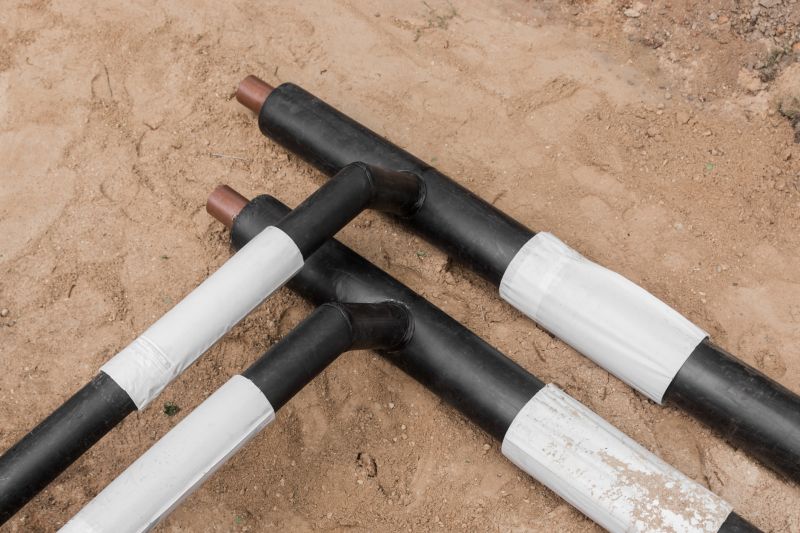
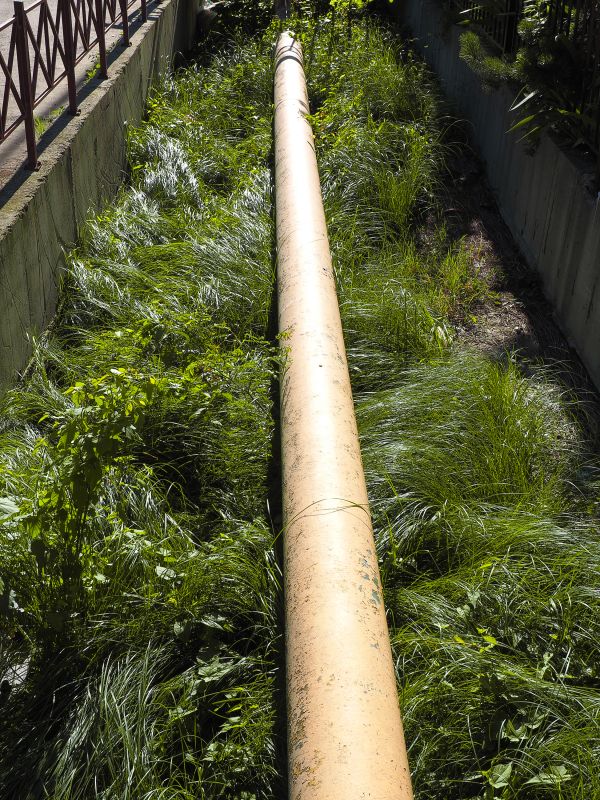
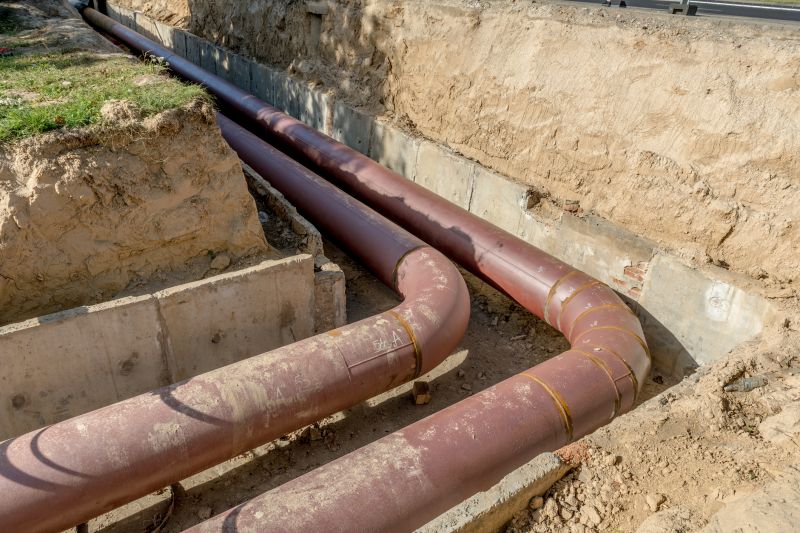
Piping replacement services involve removing old, damaged, or deteriorating pipes and installing new ones to ensure a reliable and efficient plumbing system. This process typically includes assessing the existing piping, selecting appropriate materials, and carefully installing the new pipes to minimize disruption. These services are essential for maintaining the proper flow of water and waste throughout a property, helping to prevent leaks, blockages, and other plumbing issues that can lead to property damage or costly repairs.
Many plumbing problems can be addressed through piping replacement, especially when pipes are corroded, cracked, or have become clogged over time. Signs such as frequent leaks, low water pressure, discolored water, or unusual noises may indicate that pipes need to be replaced. Replacing aging or compromised pipes can also improve water quality and pressure, making daily routines more convenient. For properties with outdated plumbing systems, a complete piping upgrade can be a practical solution to avoid ongoing issues and future failures.
Piping replacement services are commonly used in residential properties, including single-family homes, multi-family dwellings, and apartment complexes. They are also applicable to commercial buildings, such as offices, retail spaces, and industrial facilities that require reliable plumbing systems. Properties that are experiencing frequent plumbing problems, have old or outdated piping materials, or are undergoing renovations often benefit from professional piping replacement. Local service providers can evaluate specific needs and recommend the best options for each property type.
Choosing to replace pipes can be a proactive step toward maintaining the integrity of a property’s plumbing system. It is especially relevant when pipes are showing signs of wear or have been in use for several decades. By working with experienced local contractors, property owners can ensure that the replacement process is handled efficiently and effectively. Proper piping replacement helps prevent future issues, supports the overall functionality of the plumbing system, and contributes to the long-term value of the property.
The overview below groups typical Piping Replacement projects into broad ranges so you can see how smaller, mid-sized, and larger jobs often compare in your area.
In many markets, a large share of routine jobs stays in the lower and middle ranges, while only a smaller percentage of projects moves into the highest bands when the work is more complex or site conditions are harder than average.
Smaller Repairs - typical costs for minor pipe repairs or replacements usually range from $250 to $600. Many routine jobs fall within this middle range, depending on the pipe material and accessibility.
Partial Replacement - replacing sections of piping can cost between $1,000 and $3,000 for most projects. Larger or more complex partial replacements tend to push into the higher end of this range.
Full Piping Replacement - complete pipe system replacements generally cost from $4,000 to $10,000, with larger homes or complicated setups reaching higher amounts.
Complex or Custom Projects - extensive piping work, such as in commercial buildings or custom installations, can exceed $15,000, though these are less common and depend heavily on project scope.
Actual totals will depend on details like access to the work area, the scope of the project, and the materials selected, so use these as general starting points rather than exact figures.
Pipe Insulation Installation - professionals who install pipe insulation use similar planning and tools as piping replacement to improve efficiency and prevent damage.
Drain Line Repair - repairing drain lines requires skills in pipe assessment and the use of specialized tools, aligning closely with piping replacement techniques.
Water Line Replacement - replacing water lines involves similar planning, excavation, and pipe handling skills as those used in piping replacement projects.
Leak Detection Services - locating leaks in plumbing systems involves similar diagnostic skills and access methods as piping replacement work.
Gas Line Installation - installing gas lines demands careful planning and precise pipe handling, akin to the skills used in piping replacement services.
Bathroom Plumbing Remodels - remodeling bathroom plumbing systems involves pipe rerouting and replacement, requiring similar expertise and planning as piping replacement projects.
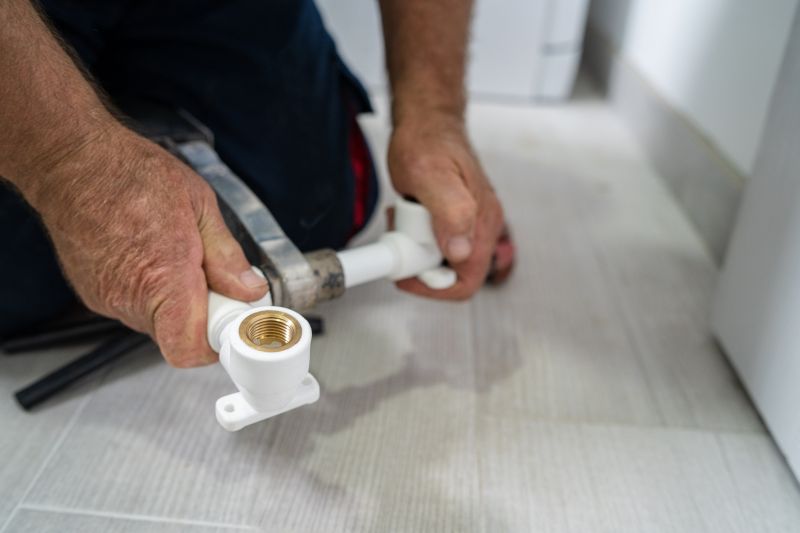
When evaluating potential service providers for piping replacement, it’s important to consider their experience with similar projects. Homeowners should inquire about how long a contractor has been working on piping systems and whether they have handled projects comparable in scope and complexity. An experienced local contractor will be familiar with common challenges and best practices, which can contribute to a smoother process and a more reliable outcome. Gathering information about their past work on similar jobs can help ensure that the selected professional has the relevant expertise to meet specific needs.
Clear, written expectations are essential for a successful piping replacement project. Homeowners should seek detailed proposals or estimates that outline the scope of work, materials to be used, and any specific procedures or standards the contractor intends to follow. Having these expectations documented helps prevent misunderstandings and provides a basis for comparison between different local service providers. It also encourages professionalism and accountability, making it easier to assess whether a contractor’s approach aligns with the homeowner’s goals.
Reputable references and good communication are key factors when choosing local contractors for piping replacement. Homeowners are encouraged to ask for references from previous clients who had similar work done and to verify the quality of the contractor’s performance. Additionally, effective communication-such as responsiveness to questions and clarity in explanations-can make the process more straightforward and less stressful. While the site introduces homeowners to local options, it’s important to remember that the actual work will be handled by trusted service providers who demonstrate experience, clear expectations, and open communication.
Property owners use Piping Replacement services for practical projects around their homes and businesses. This guide focuses on everyday jobs and straightforward project options.
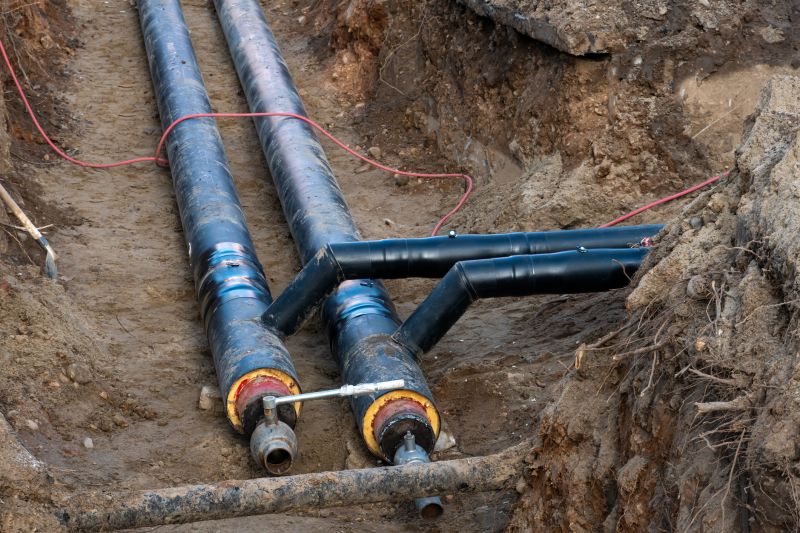
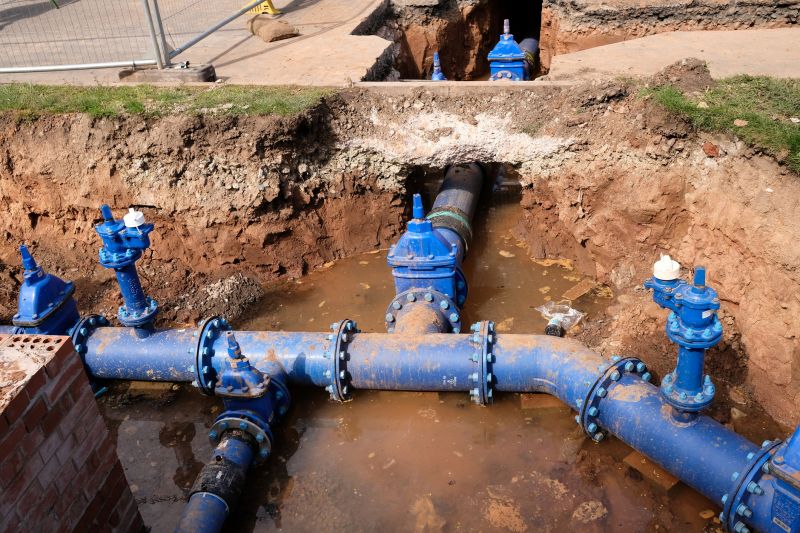
Piping replacement services are often needed when property owners notice leaks, reduced water pressure, or signs of corrosion in their plumbing systems. These issues can arise from aging pipes, frequent use, or damage caused by shifts in the foundation or external factors. Local contractors can assess the situation and recommend appropriate solutions to ensure the plumbing system functions properly and prevents further damage.
Homeowners and property managers may seek piping replacement when upgrading outdated plumbing, responding to persistent leaks, or preparing for renovations. In some cases, pipes may become clogged or deteriorate over time, leading to the need for a complete replacement. Local service providers are equipped to handle these projects efficiently, helping to restore reliable water flow and maintain the property's overall plumbing health.
What are signs I need piping replacement? Signs include persistent leaks, low water pressure, discolored water, or noticeable corrosion on pipes. If these issues occur, consulting local contractors can help determine if replacement is necessary.
Can piping replacement improve my home's plumbing system? Yes, replacing old or damaged pipes can enhance water flow, reduce leaks, and prevent future plumbing issues by upgrading to newer pipe materials.
What types of pipes are commonly replaced during piping replacement services? Commonly replaced pipes include galvanized steel, cast iron, and older copper pipes, with modern options like PEX or PVC often used as replacements.
How do local contractors handle piping replacement projects? Service providers typically assess the existing plumbing, remove damaged pipes, and install new piping with proper fittings to ensure reliable operation.
Is piping replacement disruptive to my home? The extent of disruption varies based on the project scope, but experienced local contractors aim to minimize inconvenience during the replacement process.
Preventing Water Damage - Replacing aging or damaged pipes can help avoid leaks that may cause water damage to property interiors.
Improving Water Flow - Upgrading outdated piping systems ensures consistent water pressure for everyday tasks like cleaning and cooking.
Enhancing Plumbing Reliability - Replacing worn pipes reduces the risk of unexpected pipe failures during routine use.
Upgrading for Code Compliance - Ensuring piping systems meet current standards can help property owners stay compliant with local regulations.
If you are thinking about Piping Replacement for a property, this guide is meant to help you understand the work, the typical project types, and how different options might fit your plans.
When you are ready, you can use the quote form on this page to share a few details about your project. From there, local pros can review the basics and respond with options that match what you have in mind.